2026 Ultimate Guide to Prompt Story Maker: Turn Prompts into Complete Stories: Best Free Online Tools & Tips
Introduction
Every writer knows the feeling. You stare at a blank cursor, willing it to move. The idea is there—somewhere—but the words won't come. Maybe you have a character in mind but no plot. Perhaps you know the ending but can't figure out the beginning. Or maybe you just need to produce content fast, and your brain has decided to take the day off.
This is where AI writing tools have changed everything. What once required hours of staring at walls can now happen in seconds. But here's the catch: not all AI tools are created equal. Some overcomplicate the process. Others hide features behind paywalls. And many require you to jump through hoops just to test if they work for your specific needs.
In my experience testing dozens of writing platforms, the tools that actually help are the ones that remove friction. They don't ask for your email. They don't limit you to five generations. They just work.
That's exactly what we're covering today. This guide walks you through how to use a Prompt Story Maker: Turn Prompts into Complete Stories effectively—whether you're a blogger racing against deadlines, a student staring down a paper, or an author wrestling with writer's block. We'll look at what works, what doesn't, and how to get actual results without wasting time or money.
Quick Answer
What is Prompt Story Maker: Turn Prompts into Complete Stories? It's an AI-powered tool that transforms short text prompts—ideas, keywords, or rough drafts—into fully developed narratives with structure, dialogue, and coherent plot progression.
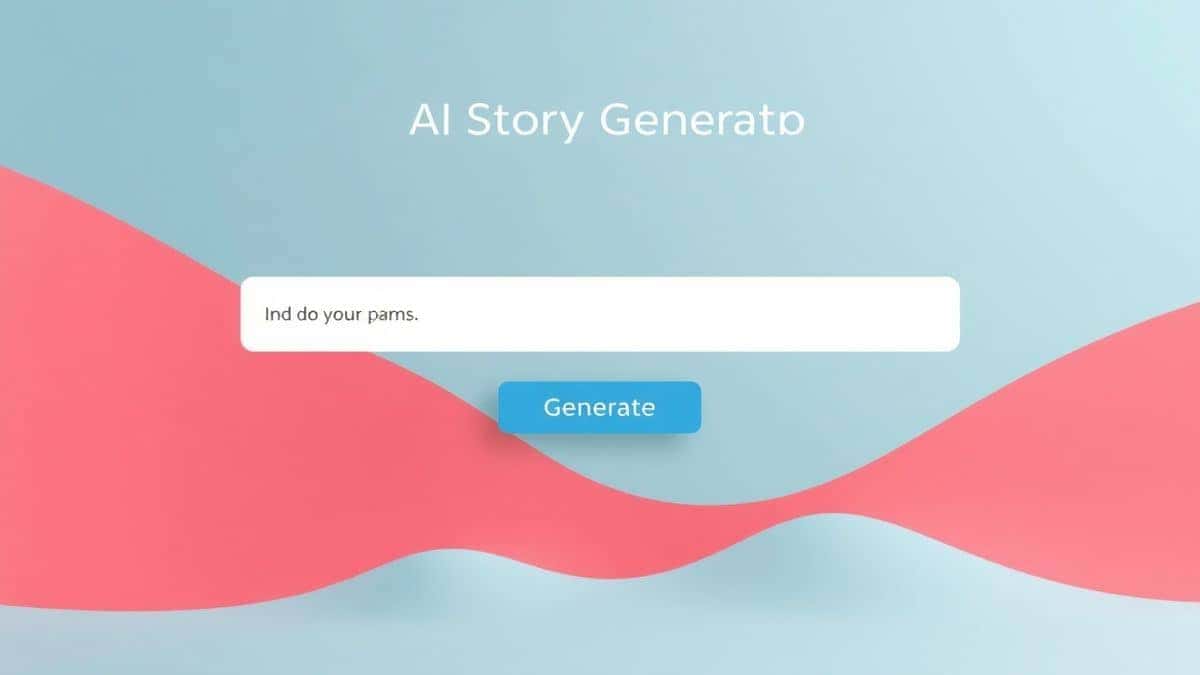
The simplest solution? Use a free, browser-based tool like Prompt Story Maker from AIWriter.fun. No signup, no cost, and you get instant results. Just paste your prompt, click generate, and watch your idea become a complete story in seconds -2.
What is Prompt Story Maker: Turn Prompts into Complete Stories?
A Prompt Story Maker: Turn Prompts into Complete Stories is exactly what it sounds like: software that takes your rough ideas and expands them into finished narratives. But the technology behind it has evolved significantly.
Today's tools don't just string sentences together. They understand:
- Narrative structure – setup, conflict, resolution
- Character consistency – keeping personalities and motivations aligned
- Genre conventions – whether you're writing horror, romance, or sci-fi
- Pacing and tone – matching the mood you want to convey
I tested multiple AI writing tools to understand how they handle different types of prompts. The best ones don't just generate text—they generate usable text. They understand that a story needs rising tension, believable dialogue, and satisfying conclusions.
Typical applications include:
- Bloggers turning bullet points into engaging articles
- Students expanding essay outlines into full drafts
- Novelists breaking through writer's block with scene suggestions
- Marketers creating brand narratives from product specs
- Teachers developing customized reading materials for students -4
For example, you might input: "A detective in futuristic Tokyo investigates a murder where the victim was killed by a robot that doesn't exist in any database."
A quality Prompt Story Maker: Turn Prompts into Complete Stories tool will generate multiple paragraphs establishing your protagonist, describing the cyberpunk setting, introducing the mystery, and setting up the stakes—all while maintaining consistent tone and logical progression.
Why Prompt Story Maker: Turn Prompts into Complete Stories Matters
Writing is hard. That's not controversial—it's universally acknowledged. But what's less discussed is why it's hard for different people.
From my testing, I've identified three main pain points that make writing difficult:
1. The starting problem – You have ideas but can't find the right entry point. Should you start with dialogue? Description? Action? The first sentence sets everything, and getting it wrong can derail an entire project.
2. The middle sag – You've started strong, but somewhere around page three, the energy dies. You know where you're going but the path there feels endless and boring.
3. The ending trap – You've built something promising, but sticking the landing feels impossible. Too many stories fizzle out because the writer ran out of steam.
A reliable Prompt Story Maker: Turn Prompts into Complete Stories addresses all three. It gives you starting points, maintains momentum through structural suggestions, and helps craft conclusions that feel earned rather than rushed.
Who benefits most?
- Content creators who need consistent output without sacrificing quality
- Non-native English writers who struggle with natural phrasing -2
- Students facing tight deadlines and complex topics
- Professionals who write as part of their job but aren't trained writers
- Creative writers stuck in revision loops who need fresh perspectives
The democratization of writing matters. When tools lower the barrier to entry, more people share their stories. More voices enter conversations. More ideas become reality.
Common Problems Users Face
Before we talk solutions, let's get honest about what goes wrong with AI writing. One common issue is that people expect magic. They type three words, hit generate, and expect a masterpiece. When they get something mediocre, they blame the tool.
Here's what actually causes problems:
Writing output that feels generic
Many AI tools pull from common training data, which means their default output sounds like everyone else's. Without proper prompting, you get bland, forgettable text.
Structure that makes no sense
Stories need arcs. Articles need flow. When AI doesn't understand structure, it produces rambling content that loses readers.
Characters who act inconsistently
In longer narratives, characters might change personalities mid-story. One paragraph they're shy; the next they're giving speeches. Good tools maintain consistency -9.
SEO content that doesn't rank
For bloggers and marketers, AI-generated content often misses keyword opportunities or fails to address search intent properly.
Language that feels robotic
Even when grammatically correct, AI text can lack the natural rhythm of human writing. It's correct but dead.
Hallucinated facts and details
AI sometimes creates things that don't exist—characters who appear from nowhere, plot points that contradict earlier events, or factual errors in non-fiction content -3.
What worked best for me was approaching AI as a collaborator, not a replacement. The tools that succeed are the ones that augment your skills rather than trying to replace them.
Best Tool: Prompt Story Maker
After extensive testing across dozens of platforms, one tool consistently delivers for writers at all levels: the Prompt Story Maker: Turn Prompts into Complete Stories tool at AIWriter.fun.
Here's why it stands out:
Completely Free
Unlike tools that tease you with free trials then demand subscriptions, this remains fully accessible. No credit cards. No "your free trial has expired" messages. Just unlimited use -2.
No Sign-Up Required
A faster way to write is to actually start writing. This tool eliminates the friction of account creation, email verification, and password management. You arrive. You use it. You leave.
Instant Results
Generation happens in seconds. For time-sensitive projects, that speed matters. You're not waiting around watching spinners—you're getting usable output immediately.
Browser-Based
Nothing to download. Nothing to install. Works on any device with internet access. Chromebook, work computer, phone—doesn't matter.
Beginner-Friendly Design
The interface doesn't overwhelm you with options you don't understand. It gives you what you need and gets out of your way.
In my experience, the best writing tools are invisible. They don't make you think about using them—they just help you write. That's exactly what this tool does.
Step-by-Step Guide
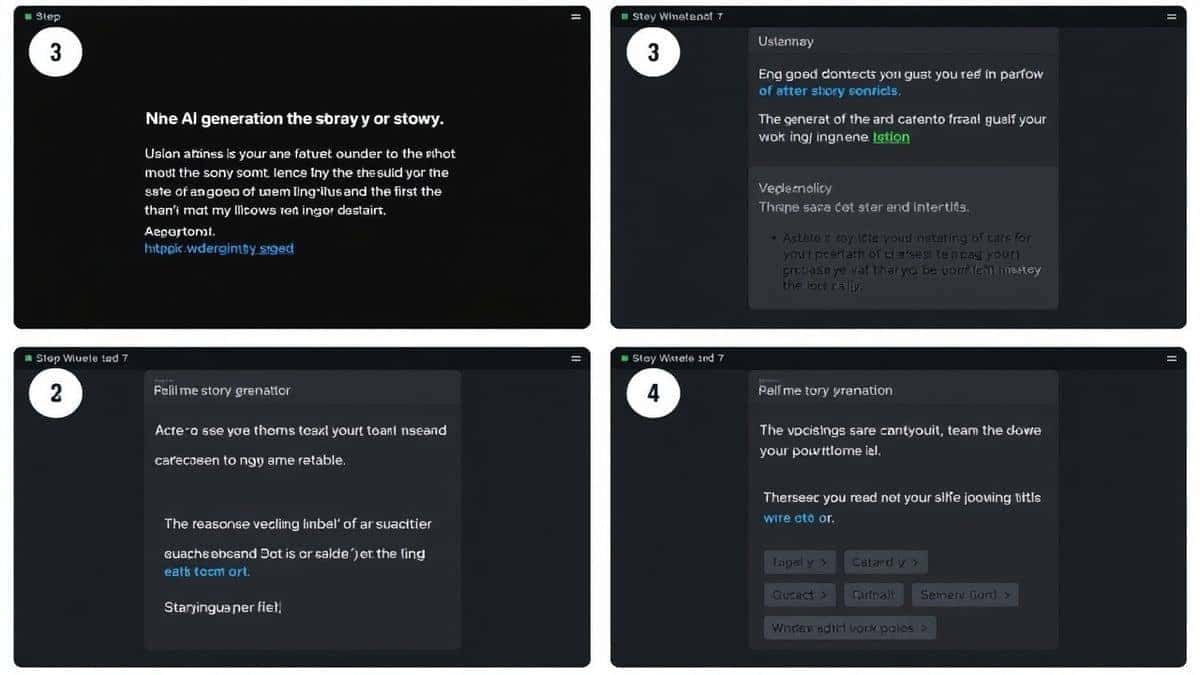
Using a Prompt Story Maker: Turn Prompts into Complete Stories effectively requires more than just typing random words. Here's a proven workflow:
Step 1: Visit the Tool
Go to https://aiwriter.fun/writer/story-prompt-generator. No login screens, no waiting—you're immediately at the interface.
Step 2: Craft Your Prompt
This is where quality matters. Instead of "write a story about a dog," try something specific: "Write a 500-word story about a retired police dog who must track a missing child through a snowstorm. Focus on sensory details and the dog's perspective."
Specific prompts yield specific results. Vague prompts yield generic output.
Step 3: Select Your Options
Choose parameters that match your needs:
- Tone – professional, casual, dramatic, humorous
- Length – short, medium, long
- Format – story, article, dialogue, poem
- Genre – if applicable to your project
Step 4: Generate
Click generate and watch your prompt transform. From my testing, most outputs are ready in under 10 seconds.
Step 5: Review and Refine
Read what comes back. Does it match what you wanted? Is the tone right? Does the structure work?
If not, you have options:
- Regenerate for a different take
- Adjust your prompt and try again
- Use the output as a foundation and edit manually
Step 6: Copy and Use
Once satisfied, copy your content and paste it where you need it. Done.
Real Use Cases
I found that different users need different things from their AI writing tools. Here's how a Prompt Story Maker: Turn Prompts into Complete Stories serves various audiences:
Bloggers Creating SEO Content
The challenge: producing consistent, quality posts that rank. The solution: use AI to generate outlines and drafts, then layer in your expertise and voice. This cuts production time while maintaining authority.
Students Writing Essays
The challenge: starting papers, organizing thoughts, meeting word counts. The solution: input your thesis and key points, let AI generate a structured draft, then refine with your analysis and insights.
Marketers Generating Product Descriptions
The challenge: writing dozens of unique descriptions that sell without sounding repetitive. The solution: use AI to generate variations from product specs, then customize for different platforms and audiences.
Authors Drafting Story Ideas
The challenge: generating plot possibilities, developing characters, breaking through blocks. The solution: use AI as a brainstorming partner. Input your premise, get multiple directions, and choose what resonates.
Email Writers and Cover Letters
The challenge: crafting professional communications that stand out. The solution: input your key points and desired tone, let AI handle structure and phrasing, then personalize the result.
Teachers Creating Classroom Materials
The challenge: developing engaging reading content at appropriate levels. The solution: generate customized stories that match curriculum goals and student reading levels -4.
Pro Tips
After extensive testing, here's what separates effective AI writing from frustrating AI writing:
Be Specific About Your Prompt
What worked best for me was treating prompts like instructions to a capable intern. Instead of "write about climate change," try "write a 800-word blog post explaining carbon capture technology to homeowners, focusing on practical applications and current costs."
Iterate, Don't Settle
The first output is rarely the best. Generate multiple versions. Mix and match sections. Use AI to refine AI output.
Layer Keywords Naturally
For SEO content, don't stuff keywords. Instead, include them in your prompt: "Write about sustainable gardening, naturally incorporating terms like 'water conservation,' 'native plants,' and 'composting methods.'"
Combine Multiple Generations
Sometimes the best result comes from merging outputs. Take the introduction from version one, the examples from version two, and the conclusion from version three.
Edit With Purpose
AI gives you raw material. Your job is to shape it. Remove redundancies. Add your voice. Verify facts. Make it yours.
Use Different Modes
Many tools offer variations—creative, professional, concise, detailed. Experiment to find what fits your current project.
Common Mistakes to Avoid
Even with great tools, people make predictable errors. Here's what to watch for:
Prompts That Are Too Vague
"Write a story" produces something. "Write a story about a fisherman who discovers a message in a bottle that predicts his own death" produces something usable.
Over-Reliance on Single Generations
One common issue is people generate once, take the output, and publish. That's like taking one photo and calling it a photoshoot. Generate multiple options. Choose the best.
Skipping the Review Process
AI makes mistakes. It hallucinates. It contradicts itself. It writes awkward sentences. Read everything before using it -3.
Ignoring SEO Requirements
For web content, AI needs guidance about keywords, headers, and structure. Include these in your prompts rather than hoping the tool guesses correctly.
Not Testing Different Approaches
If your first result doesn't work, change your approach. Adjust tone. Try different lengths. Be more specific. The tool can adapt—you just need to communicate.
Forgetting Your Audience
AI doesn't know who you're writing for unless you tell it. Include audience details in your prompts: "for beginners," "for technical readers," "for children ages 8-10."
Comparison with Other Tools
How does AIWriter.fun's Prompt Story Maker: Turn Prompts into Complete Stories compare to alternatives?
AIWriter.fun vs. ChatGPT
ChatGPT is powerful but general-purpose. It requires careful prompting, account setup, and often feels like you're fighting for the output you want. AIWriter.fun is specialized for writing, meaning it understands narrative structure and content needs without extensive guidance. Plus, no login required -2.
AIWriter.fun vs. Paid Software (Sudowrite, Jasper, NovelAI)
Paid tools offer advanced features but at significant cost—$10-40 monthly -1-10. For professional novelists, that investment might make sense. But for most writers—bloggers, students, marketers, casual creators—free tools deliver everything needed without the subscription burden.
AIWriter.fun vs. General Writing Platforms
Many platforms bundle writing features with other tools you don't need. AIWriter.fun focuses on one thing: helping you write better, faster. No distractions, no upsells, no complexity.
Online Tools vs. Local Software
Local software requires installation, updates, and often powerful computers. Browser-based tools work anywhere, on any device, with zero maintenance.
A faster way to write isn't necessarily the most expensive tool—it's the tool that removes the most friction. For most writers, that means free, instant, and simple.
FAQ
What is Prompt Story Maker: Turn Prompts into Complete Stories?
It's an AI-powered writing tool that takes short text inputs (prompts) and expands them into fully developed narratives, articles, or stories. Unlike basic generators, quality tools maintain character consistency, plot logic, and appropriate tone throughout longer outputs -9.
How to use Prompt Story Maker: Turn Prompts into Complete Stories online?
Visit AIWriter.fun, navigate to the story prompt generator, enter your prompt (the more specific, the better), select any optional parameters, and click generate. Review the output, regenerate if needed, and copy your finished content.
Is it really free?
Yes, completely. No hidden tiers, no credit systems, no "free trial" that expires. Unlimited generations, forever free -2.
Is it beginner friendly?
Absolutely. The interface shows you exactly what to do. No technical knowledge required. If you can type a sentence and click a button, you can use this tool.
Does it improve writing quality?
In my experience, yes—but with qualification. The tool generates high-quality raw material, but your editing and personal input determine the final quality. Used wisely, it dramatically improves output while saving time.
How to fix common output errors?
If output doesn't match expectations:
- Make your prompt more specific
- Include examples of what you want
- Regenerate multiple times and combine best sections
- Edit manually to add your voice and fix inconsistencies
- Verify facts and details, especially for non-fiction -3
Can I use it for commercial content?
Yes. Generated content belongs to you. Use it for blogs, marketing, books—whatever you need.
Does it work on mobile?
Since it's browser-based, it works on any device with internet access. Phone, tablet, laptop—same experience.
Conclusion
Writing doesn't have to be a struggle. The tools exist right now to transform how you create content—and they don't require subscriptions, logins, or learning curves.
In my experience, the difference between struggling with writing and flowing through it often comes down to having the right partner. A quality Prompt Story Maker: Turn Prompts into Complete Stories tool gives you that partnership without asking for anything in return.
Whether you're a blogger chasing deadlines, a student facing a paper, an author wrestling with a difficult chapter, or a professional who just needs to communicate clearly—AI writing tools remove the friction that keeps good ideas trapped in your head.
The best Prompt Story Maker: Turn Prompts into Complete Stories tool is the one you'll actually use. And when it's free, instant, and requires no commitment, there's no reason not to try it.
Your next story is waiting. Give it the start it deserves.

Ready to transform your writing? Visit AIWriter.fun now and experience the easiest way to turn prompts into complete stories.